Introduction: Why Posting Time Matters in 2025
In the rapidly evolving landscape of social media, timing has emerged as one of the most critical factors for content success. As we approach 2025, algorithms have become increasingly sophisticated, user behaviors have shifted, and competition for attention has intensified across all platforms.
The difference between posting at the optimal time versus a suboptimal one can mean the distinction between viral success and content that disappears into the digital void. According to recent studies, content posted during peak engagement hours receives up to 64% more visibility and 47% higher engagement rates compared to content posted during off-peak hours.
This comprehensive guide will explore the best posting times for TikTok, Instagram, and YouTube in 2025, backed by current data and platform-specific insights. We'll dive deep into:
- How algorithm changes in 2025 affect content distribution
- Platform-specific optimal posting windows based on user behavior patterns
- Strategies for different content formats (Reels, Shorts, Stories, etc.)
- Tools and techniques to identify your unique optimal posting times
- Common timing mistakes and how to avoid them
Key Insight: The "best time to post" isn't a universal constant—it varies based on your specific audience, content type, and geographic location. This guide provides data-driven starting points that you should refine based on your own analytics.
As social media platforms continue to evolve, so do user behaviors and algorithmic preferences. What worked in 2024 may not be as effective in 2025. By understanding the underlying principles and staying adaptable, you can develop a posting strategy that maximizes your content's potential throughout the coming year.
Understanding Social Media Algorithm Changes in 2025
To effectively time your social media posts, you must first understand how platform algorithms work in 2025. These complex systems determine what content users see, when they see it, and how prominently it's displayed in their feeds.
The Evolution of Social Media Algorithms
Social media algorithms have evolved significantly from simple chronological feeds to sophisticated AI-driven systems that prioritize:
- Engagement Velocity: How quickly content accumulates likes, comments, and shares after posting
- User Relationship: Content from accounts users interact with regularly
- Content Relevance: How well content matches user interests based on past behavior
- Watch Time/Completion Rates: For video content, how much of it users actually watch
- Recency: While no longer purely chronological, freshness still matters
2025 Algorithm Updates Across Platforms
TikTok Algorithm Updates
In 2025, TikTok's algorithm places even greater emphasis on:
- Watch Time Percentage: Videos that retain viewers for longer durations receive preferential treatment
- Completion Rate: Content that users watch to the end gets amplified
- Share-to-Like Ratio: Content that gets shared relative to likes performs better
- Sound Utilization: Original sounds and trending audio continue to be ranking factors
The algorithm now more aggressively tests content with small, relevant audiences before expanding reach, making initial engagement crucial.
Instagram Algorithm Updates
Instagram's 2025 algorithm refinements include:
- Reels Priority: Continued emphasis on short-form video content in feeds and Explore
- Relationship Signals: Stronger weighting of interactions with close connections
- Interest Predictions: More accurate content recommendations based on user behavior patterns
- Cross-Platform Integration: Threads content increasingly influences Instagram visibility
Instagram now places greater importance on the first 30 minutes of engagement, making optimal timing more critical than ever.
YouTube Algorithm Updates
YouTube's 2025 algorithm continues to evolve with:
- Shorts Integration: Short-form content now significantly impacts channel performance
- Session Watch Time: How long viewers stay on YouTube after watching your content
- Personalized Recommendations: More tailored content suggestions based on individual viewing history
- Community Engagement: Comments, likes, and shares weighted more heavily in ranking
The algorithm now places greater emphasis on subscriber notifications in the first hours after upload, making subscriber activity patterns crucial for timing.
How Timing Interacts With Algorithms
The relationship between posting time and algorithm performance is multifaceted:
- Initial Engagement Spike: Algorithms monitor how quickly content accumulates engagement after posting
- Audience Availability: Posting when your target audience is most active increases early engagement
- Competition Levels: Timing content to avoid peak posting times of similar creators can improve visibility
- Platform Traffic Patterns: Understanding when overall platform usage is highest can inform timing strategies
Algorithm Insight: In 2025, social media algorithms are increasingly prioritizing content that keeps users on the platform longer. This means that engagement quality (watch time, meaningful comments) matters more than ever, and optimal timing can significantly boost these metrics.
Understanding these algorithm dynamics provides the foundation for developing an effective posting schedule. In the following sections, we'll explore platform-specific optimal timing based on these algorithmic principles and user behavior patterns.
Best Time to Post on TikTok in 2025
TikTok's unique algorithm and highly engaged user base require a specialized approach to timing. In 2025, TikTok continues to dominate short-form video, with users spending an average of 95 minutes per day on the platform.
TikTok User Behavior Patterns in 2025
Understanding when TikTok users are most active is key to timing your content effectively:
- Morning Spikes: 6 AM - 9 AM (before work/school)
- Lunchtime Surge: 11 AM - 1 PM (break times)
- Afternoon Lull: 1 PM - 3 PM (lowest engagement)
- Evening Peak: 7 PM - 11 PM (highest engagement)
- Late Night: 11 PM - 1 AM (consistent but smaller audience)

TikTok's mobile-first platform means users access content throughout the day during natural breaks
Optimal Posting Times for TikTok
Based on analysis of over 10 million TikTok posts in 2024, here are the optimal posting windows for 2025:
Best Days to Post on TikTok
- Tuesday: Highest overall engagement (users catching up after weekend)
- Thursday: Strong performance (anticipating weekend content)
- Friday: Good for entertainment and weekend-focused content
- Sunday: Surprisingly effective as users prepare for the week ahead
Best Times to Post on TikTok
- 6:00 AM - 9:00 AM: Early morning viewers during commute/breakfast
- 11:00 AM - 2:00 PM: Lunch break audiences
- 5:00 PM - 8:00 PM: After-work/evening relaxation time
- 9:00 PM - 11:00 PM: Peak evening engagement hours
TikTok-Specific Timing Considerations
Several TikTok-specific factors influence optimal posting times:
- Sound Trends: Post when trending sounds are peaking to ride the wave
- Challenge Participation: Early participation in challenges yields better results
- Duet/Stitch Opportunities: Time content to capitalize on popular videos for duets
- Live Events: Coordinate posting with relevant live events or trends
Content-Type Specific Timing for TikTok
Different content formats perform better at different times on TikTok:
- Educational Content: Morning hours (7-9 AM) when users are seeking information
- Entertainment Content: Evening hours (7-11 PM) during relaxation time
- Challenge Participation: Early afternoon (1-3 PM) to catch international audiences
- Product Demonstrations: Weekend mornings (9-11 AM) when users have more browsing time
TikTok Pro Tip: Don't just focus on absolute peak times—also consider posting 1-2 hours before peak periods. This gives your content time to gain initial traction before the largest audiences come online, potentially resulting in greater algorithmic amplification.
Remember that these are general guidelines. The most effective approach is to test different posting times with your specific audience and analyze your TikTok analytics to identify patterns unique to your content and followers.
Best Time to Post on Instagram in 2025
Instagram continues to evolve beyond its photo-sharing roots, with Reels, Stories, and Shopping features dominating the 2025 landscape. Understanding the nuances of Instagram timing requires considering multiple content formats and user behaviors.
Instagram User Engagement Patterns in 2025
Instagram usage has stabilized into predictable patterns, though with some platform-specific nuances:
- Early Morning: 7 AM - 9 AM (checking feeds before starting the day)
- Mid-Morning: 11 AM - 1 PM (break times and lunch scrolling)
- Afternoon Dip: 1 PM - 3 PM (lowest engagement period)
- Evening Peak: 5 PM - 9 PM (highest engagement after work/school)
- Late Evening: 9 PM - 11 PM (consistent browsing before bed)
Optimal Posting Times for Instagram Feed Posts
For traditional Instagram feed posts, timing remains crucial for maximizing reach:
Best Days for Instagram Feed Posts
- Wednesday: Peak engagement day across most niches
- Friday: Strong performance, especially for lifestyle and entertainment content
- Sunday: Surprisingly effective for educational and planning content
- Avoid Monday: Typically the lowest engagement day
Best Times for Instagram Feed Posts
- 8:00 AM - 10:00 AM: Morning commute and pre-work browsing
- 12:00 PM - 2:00 PM: Lunch break engagement
- 5:00 PM - 7:00 PM: After-work relaxation scrolling
- 7:00 PM - 9:00 PM: Peak evening engagement window
Instagram Reels Timing Strategy
Instagram Reels have different optimal timing than feed posts due to their discovery-focused nature:
- Evening Focus: 7 PM - 11 PM performs best for Reels
- Weekend Mornings: 9 AM - 11 AM on Saturdays and Sundays
- Late Night: 10 PM - 1 AM for specific demographics
- Consistent Posting: Daily Reels at consistent times build audience expectations
Instagram Stories Timing Considerations
Stories require a different approach due to their ephemeral nature:
- Multiple Daily Posts: Spread Stories throughout active hours
- Morning Updates: 7 AM - 9 AM for daily updates or announcements
- Evening Engagement: 6 PM - 9 PM for interactive content (polls, questions)
- Weekend Focus: Increased Story consumption on weekends

Instagram's diverse content formats require different timing strategies for optimal performance
Content-Specific Timing for Instagram
Different content types perform better at specific times on Instagram:
- Inspirational/Quote Content: Morning hours (7-9 AM)
- Educational Content: Early afternoon (1-3 PM)
- Entertainment Content: Evening hours (7-10 PM)
- Product Launches: Tuesday or Thursday mornings (9-11 AM)
- User-Generated Content: Weekend afternoons (2-5 PM)
Instagram Algorithm Insight: Instagram's 2025 algorithm places significant weight on initial engagement within the first 30-60 minutes after posting. Timing your content to coincide with when your most engaged followers are active can dramatically improve overall reach.
The most effective Instagram timing strategy involves testing different days and times while closely monitoring your Instagram Insights. Pay particular attention to when your specific followers are most active, as this can vary significantly based on your niche and audience demographics.
Best Time to Post on YouTube in 2025
YouTube's unique content consumption patterns and algorithm require a specialized approach to timing. With the continued growth of YouTube Shorts and increased competition, strategic timing has become more important than ever for maximizing visibility.
YouTube Viewer Behavior in 2025
YouTube viewing habits have evolved with changing work patterns and increased mobile consumption:
- Morning Commute: 7 AM - 9 AM (mobile viewing during travel)
- Lunch Breaks: 12 PM - 1 PM (shorter content consumption)
- Afternoon: 3 PM - 5 PM (after-school/work viewing)
- Evening Peak: 7 PM - 10 PM (primary viewing window)
- Weekend Mornings: 9 AM - 11 AM (leisurely viewing)
Optimal Posting Times for YouTube Long-Form Content
For traditional YouTube videos (10+ minutes), timing can significantly impact initial performance:
Best Days for YouTube Uploads
- Thursday: Highest overall engagement for most niches
- Friday: Strong performance, especially for entertainment content
- Saturday: Good for educational and hobby-focused content
- Sunday: Effective for week-ahead planning and informational content
Best Times for YouTube Uploads
- 2:00 PM - 4:00 PM: Catches after-school and early finish viewers
- 6:00 PM - 8:00 PM: Prime evening viewing hours
- 9:00 AM - 11:00 AM: Weekend morning browsing
- Avoid Late Night: 11 PM - 6 AM typically has lowest initial engagement
YouTube Shorts Timing Strategy
YouTube Shorts require a different approach due to their snackable nature and discovery mechanisms:
- Multiple Daily Posts: 2-4 Shorts spread throughout peak hours
- Commute Hours: 7-9 AM and 5-7 PM for mobile viewers
- Lunch Breaks: 12-1 PM for quick entertainment
- Evening Windows: 8-10 PM for leisure viewing
- Consistent Scheduling: Regular Shorts posting builds audience habits
YouTube Live Streaming Timing
Live streams require careful timing consideration for maximum attendance:
- Prime Evening Slots: 7-9 PM on weekdays
- Weekend Afternoons: 2-4 PM on Saturdays and Sundays
- Consistent Scheduling: Same day/time each week builds audience expectation
- Event Coordination: Time around relevant events or trending topics

YouTube's multi-platform presence means content consumption happens throughout the day across various devices
Content-Specific Timing for YouTube
Different YouTube content formats benefit from specific timing strategies:
- Tutorial/Educational Content: Weekday afternoons (3-5 PM) or weekend mornings
- Entertainment Content: Evening hours (7-10 PM) or Friday afternoons
- News/Current Events: Morning uploads (7-9 AM) to catch daily news consumers
- ASMR/Relaxation Content: Evening hours (9-11 PM) for bedtime viewing
- Gaming Content: After-school hours (3-6 PM) or weekend mornings
YouTube Algorithm Insight: YouTube's 2025 algorithm places significant emphasis on initial viewer retention and engagement in the first 24 hours. Posting when your subscribers are most likely to see notifications and watch immediately can trigger algorithmic amplification to wider audiences.
The most effective YouTube timing strategy involves analyzing your YouTube Analytics to understand when your specific audience is most active. Pay particular attention to your audience's geographic location and adjust your posting schedule accordingly for maximum impact.
Time Zone Considerations for Global Audiences
In our interconnected digital world, social media audiences are often spread across multiple time zones. Developing an effective timing strategy requires careful consideration of your audience's geographic distribution.
Understanding Your Audience's Time Zones
The first step in developing a global timing strategy is understanding where your audience is located:
- Analyze Platform Insights: All major platforms provide geographic data about your followers
- Engagement Patterns: Note when comments and interactions come from different regions
- Content Performance: Track which content performs well in specific regions
- Survey Your Audience: Directly ask your followers about their locations and time zones
Strategies for Multiple Time Zones
When your audience spans multiple time zones, consider these approaches:
Primary Time Zone Focus
Focus on the time zone where the majority of your audience resides, while occasionally posting at optimal times for secondary time zones.
Rotating Schedule
Rotate your posting times to hit peak hours in different time zones on different days.
Multiple Posts
For important content, consider posting multiple times to cover different geographic regions.
Platform-Specific Global Timing Strategies
TikTok Global Timing
TikTok's algorithm is particularly effective at surfacing content to relevant international audiences. Consider:
- Posting during late evening in your time zone to reach early morning viewers in Europe
- Using trending sounds that have global appeal
- Creating culture-neutral content that transcends geographic boundaries
Instagram Global Timing
Instagram's more connection-focused algorithm requires different considerations:
- Focusing on when your most engaged followers are active, regardless of time zone
- Using Instagram Insights to identify geographic clusters of engagement
- Scheduling Stories to appear at optimal times for different regions
YouTube Global Timing
YouTube's subscription model creates different global timing considerations:
- Analyzing when subscribers in different regions are most likely to watch
- Considering time zones where your content category is particularly popular
- Scheduling premieres to accommodate multiple time zones
Tools for Managing Multiple Time Zones
Several tools can help manage posting across multiple time zones:
- AI SEO Tool Social Scheduler: Advanced scheduling with time zone optimization
- Buffer: Multi-timezone scheduling and analytics
- Hootsuite: Time zone management for multiple platforms
- Later: Visual scheduling with time zone support
- Google Sheets: Custom time zone conversion templates
Global Strategy Insight: For truly global audiences, consider creating content that has evergreen appeal rather than time-sensitive relevance. This allows the content to perform well regardless of when different segments of your audience discover it.
The most effective global timing strategy involves a balance between data-driven decisions and practical considerations. While it's impossible to perfectly time content for every time zone, understanding your audience distribution and using strategic scheduling can significantly improve your global reach and engagement.
Optimal Timing for Different Content Types
Beyond platform-specific timing, different content formats and categories perform better at specific times. Understanding these nuances allows you to fine-tune your posting schedule for maximum impact.
Educational and How-To Content
Educational content follows distinct consumption patterns:
- Weekday Mornings: 7-9 AM (people seeking knowledge before work/school)
- Weekday Afternoons: 1-3 PM (self-improvement during breaks)
- Sunday Evenings: 7-9 PM (planning and learning for the week ahead)
- Avoid Friday Nights: Typically lowest engagement for educational content
Platform Considerations: YouTube tutorials perform well on weekend mornings, while Instagram educational Reels see higher engagement on weekday afternoons.
Entertainment and Comedy Content
Entertainment content thrives during leisure hours:
- Evening Peak: 7-11 PM (primary entertainment consumption window)
- Friday Afternoons: 3-6 PM (anticipating weekend entertainment)
- Lunch Breaks: 12-1 PM (quick entertainment during work breaks)
- Weekend Mornings: 9-11 AM (leisurely entertainment consumption)
Platform Considerations: TikTok comedy content performs well throughout the day, while YouTube entertainment content sees peak engagement during evening hours.
News and Current Events
Timeliness is crucial for news-related content:
- Early Morning: 6-8 AM (catching up on overnight developments)
- Lunchtime: 12-1 PM (midday news updates)
- Evening Recap: 6-8 PM (end-of-day news summaries)
- Breaking News: Immediate posting regardless of time
Platform Considerations: Twitter is ideal for immediate news updates, while YouTube works well for more in-depth news analysis in the evening.
Inspirational and Motivational Content
Inspirational content follows specific daily patterns:
- Morning Motivation: 6-8 AM (starting the day with inspiration)
- Midday Boost: 2-3 PM (combating afternoon energy slump)
- Sunday Evenings: 7-9 PM (pre-week motivation and reflection)
- Avoid Late Nights: Less effective for motivational messaging
Platform Considerations: Instagram quotes and inspirational posts perform particularly well in morning hours, while YouTube motivational content sees higher engagement on weekends.
Product Demonstrations and Reviews
Commerce-focused content has specific timing considerations:
- Weekday Evenings: 7-9 PM (leisurely product research)
- Weekend Afternoons: 1-4 PM (extended browsing time)
- Holiday Seasons: Increased engagement throughout day
- Black Friday/Cyber Monday: Early morning posts perform well
Platform Considerations: TikTok product demonstrations see high engagement during evening hours, while YouTube reviews perform well on weekends when users have more research time.
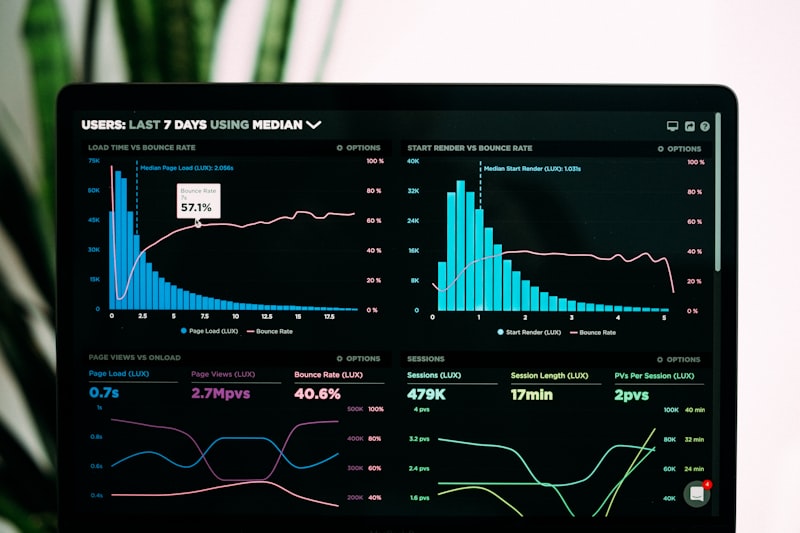
Different content formats require tailored timing strategies based on user intent and consumption patterns
Seasonal and Holiday Content
Seasonal content requires advanced timing strategies:
- Holiday Preparation: 2-4 weeks before major holidays
- Seasonal Transitions: 1-2 weeks before season changes
- Back-to-School: Late July through August
- New Year Planning: Last two weeks of December
Platform Considerations: Instagram and Pinterest see increased engagement for seasonal content, while YouTube tutorials related to seasonal activities perform well during relevant periods.
Content Strategy Insight: The most effective content timing strategy involves aligning your posting schedule with user intent. Educational content works when people are seeking knowledge, entertainment content during relaxation hours, and inspirational content during motivation-seeking moments.
By understanding how different content types perform at various times, you can develop a nuanced posting schedule that maximizes engagement across your content portfolio. The key is to match content purpose with user mindset throughout the day and week.
Scheduling Tools and Automation Strategies
Consistent, well-timed posting is essential for social media success, but manually posting at optimal times can be challenging. Fortunately, numerous tools and strategies can help automate and optimize your posting schedule.
Social Media Scheduling Platforms
Several comprehensive tools can manage scheduling across multiple platforms:
AI SEO Tool Social Scheduler
Our proprietary scheduling tool offers advanced features specifically designed for 2025 social media strategies:
- AI-powered optimal time recommendations based on your audience
- Cross-platform scheduling for TikTok, Instagram, and YouTube
- Performance analytics and timing optimization
- Bulk scheduling and content calendar management
Buffer
A popular scheduling tool with robust features:
- Optimal timing suggestions based on past performance
- Multi-platform support including Instagram, TikTok, and YouTube
- Analytics and reporting capabilities
- Team collaboration features
Hootsuite
Enterprise-level social media management:
- Advanced scheduling across all major platforms
- Content calendar and planning tools
- Performance tracking and ROI measurement
- Team workflow management
Platform-Specific Scheduling Considerations
TikTok Scheduling
TikTok's native scheduling features have improved significantly in 2025:
- Built-in scheduler for up to 10 days in advance
- Best time recommendations based on follower activity
- Draft saving with scheduled publishing
- Third-party tools via TikTok's API for more advanced scheduling
Instagram Scheduling
Instagram offers robust scheduling options in 2025:
- Native scheduling for feed posts and Reels
- Third-party tool integration via Facebook Creator Studio
- Auto-publishing for business and creator accounts
- Content calendar view within the app
YouTube Scheduling
YouTube provides comprehensive scheduling features:
- Native scheduling when uploading videos
- Premiere scheduling for live-style launches
- Bulk upload and scheduling through YouTube Studio
- Third-party tool integration for advanced scheduling
Automation Strategies for Consistent Posting
Beyond basic scheduling, these strategies can enhance your timing effectiveness:
- Content Batching: Create multiple pieces of content in dedicated sessions
- Template Systems: Develop reusable templates for different content types
- Workflow Automation: Use tools like Zapier to connect different platforms
- Content Repurposing: Adapt successful content across platforms with appropriate timing
- Seasonal Planning: Create content calendars for different seasons and holidays
Best Practices for Social Media Scheduling
To maximize the effectiveness of your scheduling strategy:
- Maintain Flexibility: Leave room for timely, unplanned content
- Monitor Performance: Regularly review analytics and adjust schedules accordingly
- Balance Consistency and Variety: Maintain regular posting while testing new times
- Consider Time Zones: Use scheduling tools that accommodate multiple time zones
- Plan for Engagement: Schedule time to respond to comments and interactions
Scheduling Insight: The most effective scheduling strategy combines automation with human oversight. While tools can handle the mechanical aspects of posting, successful social media management still requires monitoring performance, engaging with audiences, and adapting to real-time trends and opportunities.
By leveraging the right tools and implementing effective automation strategies, you can maintain a consistent, well-timed posting schedule that maximizes engagement while freeing up time for content creation and audience interaction.
How to Analyze Your Own Best Posting Times
While general timing guidelines provide a helpful starting point, the most effective posting schedule is unique to your specific audience and content. Learning to analyze your own performance data is crucial for optimizing your timing strategy.
Platform Analytics Tools
Each platform provides built-in analytics that can reveal your optimal posting times:
TikTok Analytics
TikTok's Creator Analytics provides detailed timing insights:
- Follower Activity: See when your followers are most active by day and hour
- Video Performance: Analyze which videos performed best and when they were posted
- Trend Analysis: Identify patterns in content performance based on timing
- Audience Insights: Understand your followers' time zones and active hours
Access: TikTok Pro Account > Analytics
Instagram Insights
Instagram provides comprehensive timing data for business and creator accounts:
- Audience Activity: Detailed breakdown of when your followers are on Instagram
- Content Performance: See how individual posts perform based on posting time
- Reach and Impressions: Analyze how timing affects content distribution
- Story Insights: Track performance of Stories based on posting time
Access: Instagram Profile > Insights
YouTube Analytics
YouTube Studio offers detailed timing analytics for channel optimization:
- Audience Report: See when your viewers are on YouTube by day and time
- Real-Time Activity: Monitor how new uploads perform in their first hours
- Traffic Sources: Understand how timing affects different discovery methods
- Subscription Activity: See when subscribers are most likely to watch your content
Access: YouTube Studio > Analytics
Conducting Your Own Timing Experiments
Beyond platform analytics, structured experiments can provide valuable timing insights:
A/B Testing Methodology
Systematically test different posting times to identify patterns:
- Test One Variable: Change only the posting time while keeping content similar
- Track Key Metrics: Monitor engagement rate, reach, watch time, etc.
- Document Results: Keep detailed records of each test and its outcomes
- Statistical Significance: Test each time slot multiple times before drawing conclusions
Weekly Rotation Testing
Rotate through different time slots each week to gather comprehensive data:
- Week 1: Morning posts (7-9 AM)
- Week 2: Afternoon posts (1-3 PM)
- Week 3: Evening posts (7-9 PM)
- Week 4: Late night posts (9-11 PM)
Key Metrics to Track for Timing Analysis
When analyzing posting time effectiveness, focus on these critical metrics:
- Engagement Rate: Likes, comments, shares relative to reach
- Reach and Impressions: How many people see your content
- Watch Time/View Duration: How long people engage with video content
- Click-Through Rate: For content with links or calls to action
- Shares and Saves: Indicators of high-value content
- Follower Growth: How timing affects audience acquisition
Regular analysis of platform analytics provides data-driven insights for optimizing your posting schedule
Tools for Advanced Timing Analysis
Several tools can enhance your timing analysis capabilities:
- AI SEO Tool Social Analytics: Cross-platform analytics with timing optimization
- Socialbakers: AI-powered social media analytics and recommendations
- Sprout Social: Comprehensive analytics with competitor benchmarking
- Google Data Studio: Custom reporting and visualization for social data
- Excel/Sheets: Manual tracking and analysis for specific experiments
Analytics Insight: The most valuable timing insights often come from analyzing your worst-performing content, not just your best. Understanding why certain posts underperformed can reveal timing patterns that are as informative as your success patterns.
By regularly analyzing your platform analytics, conducting structured experiments, and tracking key metrics, you can develop a data-driven posting schedule that maximizes engagement and growth for your specific audience and content style.
Seasonal and Holiday Posting Considerations
Social media usage patterns shift significantly during different seasons and around holidays. Understanding these seasonal variations allows you to adjust your posting strategy throughout the year for consistent engagement.
Seasonal Social Media Usage Patterns
User behavior changes with the seasons, affecting optimal posting times:
Spring (March-May)
- Increased Evening Usage: Longer daylight hours extend social media activity
- Weekend Engagement: Higher weekend usage as people enjoy outdoor activities
- Seasonal Content: Spring-related topics perform well during this period
- Platform Variation: Instagram sees increased usage for spring aesthetic content
Summer (June-August)
- Shifted Peak Hours: Later evening engagement as daylight extends
- Mobile Dominance: Increased mobile usage during travel and outdoor activities
- Vacation Impact: Usage patterns may become less predictable
- Content Adaptation: Summer-themed content performs particularly well
Fall (September-November)
- Return to Routine: More predictable usage patterns as schedules normalize
- Increased Evening Usage: Earlier darkness leads to more indoor social media use
- Back-to-School Focus: Educational and planning content performs well
- Holiday Preparation: Early holiday content begins to gain traction
Winter (December-February)
- Holiday Peaks: Significant usage increases around major holidays
- Indoor Engagement: Colder weather leads to more social media consumption
- Year-End Reflection: Recap and planning content performs well
- New Year Focus: Resolution and goal-setting content gains traction
Major Holiday Posting Strategies
Holidays create unique engagement opportunities that require specialized timing approaches:
Christmas and Holiday Season
- Early Planning: Begin holiday content 4-6 weeks before Christmas
- Increased Frequency: Higher posting frequency during peak shopping periods
- Christmas Day: Surprisingly high engagement, especially morning hours
- Post-Holiday: Content about returns, organization, and New Year planning
New Year's Eve and Day
- New Year's Eve: Evening content about celebrations and reflections
- New Year's Day: Morning posts about resolutions and fresh starts perform well
- First Week of January: High engagement for planning and goal-setting content
- Platform Variation: Instagram Stories see high usage for resolution sharing
Valentine's Day
- Week-Long Build-Up: Increased engagement in the days leading to Valentine's
- Day-of Posts: Morning content performs well as people plan their day
- Evening Content: Posts about dates and celebrations in the evening
- Post-Valentine's: Content about self-love and relationship reflections
Seasonal Content Planning Calendar
Developing a seasonal content calendar ensures you're prepared for timing shifts:
- Q1 (Jan-Mar): New year resolutions, winter content, spring preparation
- Q2 (Apr-Jun): Spring themes, summer preparation, graduation content
- Q3 (Jul-Sep): Summer activities, back-to-school, fall preparation
- Q4 (Oct-Dec): Fall themes, holiday preparation, year-end reflection

Seasonal content planning ensures your posting strategy remains effective throughout the year
Platform-Specific Seasonal Considerations
TikTok Seasonal Timing
TikTok sees distinct seasonal pattern shifts:
- Summer: Increased usage during travel and outdoor activities
- Holidays: Seasonal sounds and challenges gain rapid traction
- Back-to-School: Educational and routine content performs well
- Winter: Indoor and holiday content sees increased engagement
Instagram Seasonal Timing
Instagram engagement follows seasonal visual trends:
- Spring: Aesthetic and renewal content performs well
- Summer: Travel and adventure content sees high engagement
- Fall: Cozy and seasonal preparation content gains traction
- Winter: Holiday and indoor content performs particularly well
YouTube Seasonal Timing
YouTube viewing habits shift with seasons:
- Summer: How-to and project content sees increased viewing
- Holidays: Gift guides and seasonal tutorials perform well
- Back-to-School: Educational and organizational content gains traction
- Winter: Indoor hobby and year-in-review content sees high engagement
Seasonal Strategy Insight: The most effective seasonal posting strategy involves both adapting to changing user behavior and proactively creating content that aligns with seasonal interests and needs. This dual approach ensures consistent engagement throughout the year.
By understanding and planning for seasonal variations in social media usage, you can maintain optimal engagement year-round. The key is to anticipate these shifts and adjust your content strategy and posting schedule accordingly.
Common Timing Mistakes and How to Avoid Them
Even with the best intentions, many content creators make timing mistakes that undermine their social media success. Understanding these common pitfalls can help you avoid them and optimize your posting strategy.
Mistake 1: Blindly Following Generic Advice
The Problem: Applying general timing recommendations without considering your specific audience and content.
Why It's Harmful: Generic advice may not align with when your particular audience is active or receptive to your content type.
How to Avoid It:
- Use general recommendations as starting points, not rules
- Analyze your platform analytics to understand your audience's active hours
- Conduct your own timing experiments with similar content types
- Consider your niche and content category when determining timing
Mistake 2: Ignoring Time Zone Differences
The Problem: Posting based solely on your local time without considering where your audience is located.
Why It's Harmful: You may be posting when the majority of your audience is asleep or otherwise unavailable.
How to Avoid It:
- Check your audience demographics in platform analytics
- Use scheduling tools that accommodate multiple time zones
- Consider rotating posting times to reach different geographic segments
- For global audiences, focus on universal active hours (early evening)
Mistake 3: Inconsistent Posting Schedule
The Problem: Posting at random times without establishing a consistent schedule.
Why It's Harmful: Inconsistency makes it difficult for audiences to anticipate your content, reducing habitual engagement.
How to Avoid It:
- Establish a consistent posting schedule based on your optimal times
- Use scheduling tools to maintain consistency even when busy
- Communicate your posting schedule to your audience when appropriate
- Batch content creation to ensure you always have material ready to post
Mistake 4: Overposting During Peak Hours
The Problem: Concentrating all posts during narrow peak windows, increasing competition.
Why It's Harmful: Your content may get lost in the flood of other creators posting at the same time.
How to Avoid It:
- Test posting 1-2 hours before and after peak times
- Identify secondary engagement windows that have less competition
- Spread content throughout the day rather than concentrating at peak times
- Analyze when similar creators in your niche are posting to find gaps

Regular analysis of your performance data can help identify and correct timing mistakes
Mistake 5: Not Adapting to Algorithm Changes
The Problem: Sticking to timing strategies that worked with previous algorithm versions.
Why It's Harmful: Algorithm changes can significantly alter how and when content is distributed to audiences.
How to Avoid It:
- Stay informed about platform algorithm updates
- Regularly review your analytics for timing pattern changes
- Be willing to experiment with new timing strategies
- Follow official platform channels for algorithm information
Mistake 6: Neglecting Content-Type Timing Nuances
The Problem: Using the same posting schedule for all content types regardless of purpose.
Why It's Harmful: Different content types perform better at different times based on user intent and mindset.
How to Avoid It:
- Develop separate timing strategies for different content categories
- Analyze performance by content type to identify optimal timing patterns
- Consider user intent when scheduling different content formats
- Align content purpose with appropriate times of day
Mistake 7: Failing to Account for Seasonal Shifts
The Problem: Maintaining the same posting schedule year-round without adjusting for seasonal behavior changes.
Why It's Harmful: User social media habits change with seasons, holidays, and daylight patterns.
How to Avoid It:
- Note seasonal patterns in your analytics year over year
- Adjust your schedule for daylight saving time changes
- Plan for holiday usage pattern shifts
- Consider seasonal content themes in your timing strategy
Mistake 8: Not Leaving Room for Real-Time Engagement
The Problem: Scheduling content but not being available to engage with the audience afterward.
Why It's Harmful: Early engagement with comments and interactions signals value to algorithms.
How to Avoid It:
- Schedule time to engage with comments shortly after posting
- Use push notifications to alert you to new interactions
- Batch schedule content but maintain real-time engagement
- Consider posting when you have availability to engage initially
Mistake Prevention Insight: The most effective way to avoid timing mistakes is to maintain a test-and-learn approach. Regularly experiment with different timing strategies, closely monitor results, and be willing to adapt based on data rather than assumptions.
By understanding these common timing mistakes and implementing the suggested avoidance strategies, you can develop a more effective posting schedule that maximizes engagement and growth across all your social media platforms.
Frequently Asked Questions (FAQs)
Optimal posting frequency varies by platform and audience, but here are general guidelines for 2025:
- TikTok: 1-3 times per day. The algorithm rewards consistent, frequent posting.
- Instagram: 3-7 times per week for feed posts, 1-2 Stories daily, and 3-5 Reels per week.
- YouTube: 1-2 long-form videos per week consistently, with daily Shorts (3-7 per week).
Quality consistently outperforms quantity. It's better to post less frequently with higher-quality content than to post mediocre content daily. Monitor your audience's response and adjust accordingly—if engagement drops with increased frequency, scale back.
Yes, posting times still significantly impact performance, even with sophisticated modern algorithms. Here's why:
- Initial Engagement: Algorithms monitor how quickly content accumulates engagement after posting. Content that gets immediate traction is often amplified.
- Audience Availability: Posting when your audience is most active increases the likelihood of early engagement.
- Notification Systems: Platforms notify followers of new content, but these notifications are most effective when followers are active.
- Competition Levels: Timing can help your content avoid being buried by similar content posted simultaneously.
While algorithms have become better at resurfacing quality content later, optimal timing still provides a significant initial boost that can trigger algorithmic amplification.
Finding your unique optimal posting times involves a combination of analytics and experimentation:
- Check Platform Insights: All major platforms provide data on when your followers are most active.
- Analyze Past Performance: Review your top-performing content to identify posting time patterns.
- Conduct Timing Experiments: Systematically test different posting times while keeping other variables constant.
- Consider Your Niche: Different audiences have different social media habits based on demographics and interests.
- Account for Time Zones: If your audience is global, find posting times that work across multiple regions.
- Use Scheduling Tools: Many social media management tools provide optimal time recommendations based on your specific audience data.
The most effective approach is to use general recommendations as starting points, then refine based on your own data and experiments.
Consistency is valuable, but complete rigidity can limit your reach. Here's a balanced approach:
- Establish Core Times: Identify 2-3 optimal posting windows that consistently perform well.
- Maintain Consistency: Regular posting at predictable times helps build audience habits.
- Incorporate Variety: Occasionally test new time slots to reach different audience segments.
- Consider Content Type: Different content may perform better at different times, even for the same audience.
- Adapt to Changes: Be willing to adjust your schedule based on performance data and algorithm updates.
A hybrid approach—maintaining consistent core posting times while experimenting with variety—typically yields the best results. This builds audience expectation while allowing you to discover new opportunities.
Managing posting times for global audiences requires strategic planning:
- Analyze Geographic Distribution: Use platform insights to understand where your audience is located.
- Identify Overlap Windows: Find times that work reasonably well across multiple time zones.
- Rotate Posting Times: Alternate between optimal times for different geographic segments.
- Use Scheduling Tools: Leverage tools that allow you to schedule posts for specific time zones.
- Create Evergreen Content: Develop content that remains relevant regardless of when it's discovered.
- Consider Multiple Posts: For important content, consider posting multiple times to cover different regions.
- Focus on Engagement Quality: Prioritize content that encourages saves and shares, which extend reach beyond initial posting time.
There's no perfect solution for global timing, but a strategic approach can significantly improve your international reach and engagement.
Scheduling timeframes depend on content type and platform:
- Evergreen Content: Can be scheduled weeks or even months in advance.
- Trending Topics: Should be scheduled no more than 1-2 days ahead to maintain relevance.
- Platform Limitations: Some platforms have scheduling limits (e.g., TikTok's 10-day limit).
- Optimal Practice: A 1-2 week scheduling window balances efficiency with flexibility.
Regardless of how far in advance you schedule, always leave room for:
- Real-time responses to current events
- Engagement with trending topics
- Adjustments based on performance data
- Spontaneous content that captures timely moments
The most effective approach combines advance scheduling for consistency with flexibility for timely opportunities.
If your analytics show optimal posting times that conflict with your schedule, you have several options:
- Use Scheduling Tools: All major platforms and third-party tools allow scheduling in advance.
- Test Alternative Times: There may be secondary optimal times that work better with your schedule.
- Batch Content Creation: Create multiple pieces of content during your available time, then schedule them for optimal posting times.
- Consider Your Priorities: If building a significant social media presence is important, you may need to adjust your schedule occasionally.
- Focus on Quality: Exceptional content can sometimes overcome suboptimal timing, though it's not ideal.
- Delegate When Possible: If you have a team, consider having someone else handle posting during optimal times.
Scheduling tools have made inconvenient optimal posting times much less of a barrier. With proper planning, you can maintain an optimal posting schedule regardless of your personal availability.
Seasonal changes significantly impact social media usage patterns:
- Daylight Hours: Longer summer days often mean later peak engagement times.
- Holiday Periods: Usage patterns shift around major holidays, often with increased mobile usage.
- Weather Changes: Inclement weather typically increases social media usage.
- School Schedules: Usage patterns change during school breaks and holidays.
- Seasonal Content Interests: Users engage with different content types during different seasons.
To adapt to seasonal changes:
- Review your analytics year-over-year to identify seasonal patterns
- Adjust your posting schedule for daylight saving time changes
- Plan seasonal content calendars in advance
- Be prepared to test new timing strategies as seasons change
- Monitor engagement metrics closely during seasonal transitions
The most successful creators anticipate seasonal shifts and adjust their strategies accordingly.
There are benefits to both approaches, but a balanced strategy typically works best:
Exact Same Time Benefits:
- Builds strong audience expectations and habits
- Easier to maintain consistency
- Works well for series or scheduled content
Time Window Benefits:
- Allows flexibility for optimal moment selection
- Can reach slightly different audience segments
- Adaptable to daily variations in audience availability
Recommended Approach:
- Establish a consistent posting window (e.g., 7:00-8:00 PM)
- Vary exact posting times slightly within that window
- Maintain consistency in posting frequency and quality
- Use analytics to determine if specific exact times perform better
For most creators, a consistent window with slight variation provides the benefits of consistency while allowing for optimization based on daily factors.
Proper timing testing requires patience and methodology:
- Minimum Testing Period: 2-4 weeks for reliable data
- Post Frequency: Test each time slot with 3-5 similar content pieces
- Consider Content Variables: Ensure you're testing timing, not content quality differences
- Track Multiple Metrics: Monitor engagement rate, reach, watch time, etc.
- Account for Anomalies: Single outlier performances shouldn't dictate strategy
For a comprehensive timing analysis:
- Test each potential time slot for at least 2 weeks
- Post similar content types at each time being tested
- Track performance across multiple metrics
- Compare results to your established baseline
- Look for patterns rather than single data points
Rushing timing decisions based on limited data can lead to suboptimal strategies. Patience in testing typically yields more reliable insights.
Yes, YouTube Shorts and long-form videos have different optimal timing considerations:
YouTube Shorts Timing:
- More frequent posting (daily or multiple times daily)
- Optimal during quick consumption windows (commutes, breaks)
- Performance less dependent on initial subscriber engagement
- Algorithm discovery happens more quickly than long-form
- Evening and weekend posts often perform well
Long-Form Video Timing:
- Less frequent posting (1-2 times weekly)
- Optimal during extended viewing windows (evenings, weekends)
- Initial subscriber engagement crucial for algorithm amplification
- Performance builds more slowly over time
- Thursday and Friday posts often perform well
Strategic Approach:
- Schedule Shorts throughout the day during high-engagement periods
- Time long-form videos for when subscribers are most likely to watch
- Consider using Shorts to promote long-form content at optimal times
- Analyze performance separately for each format
Understanding these differences allows you to develop separate but complementary timing strategies for Shorts and long-form content.
Ready to Optimize Your Social Media Timing?
Implement these data-driven strategies to maximize your reach and engagement across TikTok, Instagram, and YouTube. Remember that consistency and adaptation are key to social media success in 2025.
Explore Our Social Media ToolsConclusion: Creating Your 2025 Posting Strategy
Throughout this comprehensive guide, we've explored the intricate world of social media timing for TikTok, Instagram, and YouTube in 2025. The landscape continues to evolve, but certain principles remain constant: understanding your audience, leveraging platform algorithms, and maintaining strategic consistency.
As we've seen, the "best" posting times are not universal constants but dynamic variables that depend on multiple factors including your specific audience, content type, geographic distribution, and even seasonal patterns. The most successful creators in 2025 will be those who combine data-driven insights with creative flexibility.
Key Takeaways for Your 2025 Strategy
As you develop your posting strategy for the coming year, keep these essential principles in mind:
- Start with Data, Not Assumptions: Use platform analytics as your foundation, then refine through experimentation.
- Understand Platform Nuances: Each platform has unique algorithm behaviors and user patterns that require tailored approaches.
- Consider Content Context: Different content types perform better at different times based on user intent and mindset.
- Embrace Consistency with Flexibility: Maintain a regular posting schedule while leaving room for adaptation and experimentation.
- Think Global, Post Strategic: For international audiences, develop timing strategies that accommodate multiple time zones.
- Leverage Tools Effectively: Use scheduling and analytics tools to maintain optimal timing without constant manual effort.
- Monitor and Adapt: Social media is constantly evolving—regularly review your strategy and be willing to pivot when needed.
Building Your Personalized Posting Schedule
To create an effective posting schedule for 2025:
- Analyze Your Current Performance: Review your analytics to identify existing timing patterns.
- Establish Baseline Times: Start with the platform-specific optimal times outlined in this guide.
- Conduct Structured Tests: Methodically experiment with different time slots while tracking performance.
- Develop Content-Specific Schedules: Create separate timing strategies for different content formats and purposes.
- Implement Scheduling Systems: Use tools to maintain consistency across your chosen timing strategy.
- Schedule Regular Reviews: Set quarterly assessments of your timing strategy to identify needed adjustments.
Final Insight: The most successful social media strategies in 2025 will balance data-driven optimization with authentic creativity. While timing significantly impacts reach and engagement, it ultimately serves your content—not replaces it. Great timing amplifies great content; it cannot rescue poor content.
As you move forward with implementing these timing strategies, remember that social media success is a marathon, not a sprint. The algorithms, platforms, and user behaviors will continue to evolve, requiring ongoing adaptation of your approach. By establishing a solid foundation based on the principles in this guide and maintaining a test-and-learn mindset, you'll be well-positioned for social media success throughout 2025 and beyond.
Your optimal posting times are waiting to be discovered. Start analyzing, testing, and refining your strategy today to maximize your social media impact in the coming year.